Ever wondered what separates a casual browser from a potential customer? It all starts with understanding the leads definition. In today’s competitive digital landscape, knowing who your leads are—and how to nurture them—can make or break your business growth.



Leads Definition: What Exactly Is a Lead?

At its core, the leads definition refers to any individual or organization that has shown interest in your product or service. This interest could come through a website form submission, a social media inquiry, or even a phone call to your sales team. But not all leads are created equal.
Basic Characteristics of a Lead
A lead is more than just a name and email. It’s someone who has taken a deliberate action indicating intent. Whether they downloaded an eBook, signed up for a newsletter, or requested a demo, these behaviors signal potential interest.
- Provided contact information voluntarily
- Engaged with content (e.g., watched a video, clicked a CTA)
- Exhibited intent to learn more about a solution
Why the Leads Definition Matters in Marketing
Understanding the precise leads definition helps marketers design better campaigns. When you know what qualifies as a lead, you can tailor messaging, set realistic KPIs, and improve conversion rates. Without clarity, teams risk wasting resources on unqualified prospects.
“A lead is not just a data point—it’s the first step in a relationship.” — Marketing Expert, Ann Handley
Types of Leads: From Cold to Hot
Not every lead is ready to buy. The leads definition evolves based on the prospect’s position in the buyer’s journey. Recognizing these stages helps businesses prioritize efforts and allocate resources efficiently.
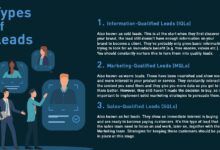
Information-Qualified Leads (IQLs)
These are individuals who have shared basic information, such as their name and email, typically in exchange for content like a whitepaper or webinar. While they’ve shown mild interest, they may not yet be aware of their problem or your solution.
- Often captured via gated content
- Low intent to purchase immediately
- Require educational nurturing
Marketing-Qualified Leads (MQLs)
MQLs have engaged more deeply with your brand. They might have visited pricing pages, opened multiple emails, or attended a product demo. According to MarketingProfs, MQLs are more likely to convert than IQLs because their behavior indicates higher intent.
- Demonstrated repeated engagement
- Fit buyer persona criteria
- Passed initial lead scoring thresholds
Sales-Qualified Leads (SQLs)
SQLs are leads that marketing has vetted and passed to the sales team. These prospects have expressed clear buying intent—perhaps by requesting a quote or scheduling a consultation. The leads definition at this stage includes readiness to talk to a sales representative.
- Explicitly asked for more information about purchasing
- Meet specific qualification criteria (budget, authority, need, timeline)
- Often result from lead nurturing workflows
How Leads Are Generated: Key Channels
Understanding the leads definition also means knowing where leads come from. Different channels attract different types of leads, and each requires a unique strategy for conversion.
Organic Search and SEO
One of the most sustainable ways to generate leads is through search engine optimization. When users search for solutions and land on your blog or landing page, they’re often in research mode. Optimizing for intent-based keywords increases the chances of capturing high-quality leads.
- Long-tail keywords attract more qualified traffic
- Content like “best CRM for small businesses” targets users with clear needs
- Google’s E-E-A-T guidelines emphasize expertise, boosting credibility
Paid Advertising (PPC)
Pay-per-click campaigns on platforms like Google Ads or LinkedIn allow businesses to target specific demographics and behaviors. While more costly, PPC can deliver immediate results in lead volume. The key is aligning ad copy with landing page messaging to maintain relevance.
leads definition – Leads definition menjadi aspek penting yang dibahas di sini.
- Highly measurable with clear ROI tracking
- Allows for A/B testing of offers and CTAs
- Best for time-sensitive promotions or product launches
Social Media and Referral Marketing
Platforms like Facebook, Instagram, and LinkedIn have become powerful lead generation tools. Lead forms within social ads reduce friction, allowing users to submit information without leaving the app. Referral programs also tap into existing customer networks to bring in warm leads.
- LinkedIn excels for B2B lead generation
- Facebook lead ads integrate directly with CRM systems
- User-generated content builds trust and drives organic referrals
Lead Capture Methods: Turning Visitors into Leads
The leads definition becomes actionable when you implement effective lead capture strategies. Simply having a website isn’t enough—you need mechanisms to collect visitor information and initiate communication.
Landing Pages with Clear CTAs
A well-designed landing page focuses on a single objective: converting visitors into leads. Whether offering a free trial, consultation, or downloadable guide, the call-to-action (CTA) must be compelling and easy to find.
- Minimal distractions (no navigation menus)
- Strong headline and benefit-driven copy
- Trust signals like testimonials or security badges
Lead Magnets and Incentives
People don’t give up their information for free. A lead magnet—such as a checklist, template, or exclusive report—provides value in exchange for contact details. The better the offer, the higher the conversion rate.
- E-books and guides for complex topics
- Free tools or calculators for practical value
- Webinars with expert insights create high perceived value
Chatbots and Live Chat Integration
Modern websites use AI-powered chatbots to engage visitors in real-time. These tools can qualify leads by asking qualifying questions and routing them to the right department. According to Drift, companies using chatbots see up to a 30% increase in qualified leads.
- Available 24/7 to capture after-hours inquiries
- Can pre-qualify leads before human interaction
- Reduces bounce rates by engaging passive visitors
Lead Qualification: Separating Prospects from Opportunities
Not every lead deserves equal attention. The leads definition must include a qualification framework to ensure sales teams focus on those most likely to convert.
BANT Framework: Budget, Authority, Need, Timeline
BANT is one of the oldest and most reliable models for qualifying leads. It assesses four critical factors:
- Budget: Does the prospect have the financial resources to purchase?
- Authority: Is the contact a decision-maker or influencer?
- Need: Do they have a problem your product solves?
- Timeline: When do they plan to make a decision?
If a lead meets all four criteria, they’re typically classified as an SQL.
CHAMP Model: Challenges, Authority, Money, Prioritization
A modern alternative to BANT, CHAMP focuses on the prospect’s pain points first. This consultative approach builds rapport and uncovers deeper needs before discussing budget or timelines.
- Starts with identifying challenges
- Emphasizes empathy and problem-solving
- Better suited for complex B2B sales cycles
Lead Scoring Systems
Lead scoring assigns numerical values to leads based on demographic and behavioral data. For example, visiting a pricing page might earn 10 points, while downloading a case study earns 15. Once a lead reaches a threshold (e.g., 50 points), they’re passed to sales.
- Combines explicit (firmographic) and implicit (behavioral) data
- Integrates with CRM and marketing automation tools
- Improves alignment between marketing and sales teams
Lead Nurturing: Building Relationships Over Time
The leads definition isn’t static. Many leads aren’t ready to buy immediately, but with proper nurturing, they can evolve into loyal customers. This process involves delivering relevant content at the right time to guide them through the buyer’s journey.
leads definition – Leads definition menjadi aspek penting yang dibahas di sini.
Email Drip Campaigns
Automated email sequences deliver targeted messages based on user behavior. For example, someone who downloaded a beginner’s guide might receive follow-up emails on advanced strategies.
- Personalization increases open and click-through rates
- Drip campaigns can span days or weeks
- Segmentation ensures relevance (e.g., by industry or job role)
Retargeting Ads
Retargeting keeps your brand top-of-mind by showing ads to users who previously visited your site. These ads can promote special offers, new content, or customer success stories.
- Highly effective for re-engaging cold leads
- Can be tailored based on pages visited
- Works across platforms like Google Display Network and Facebook
Content Personalization
Using data from CRM and web analytics, businesses can personalize website experiences. A returning visitor might see a banner offering a free consultation instead of a generic homepage.
- Dynamic content adapts to user profiles
- Increases conversion rates by reducing friction
- Supported by platforms like HubSpot and Marketo
Measuring Lead Quality and Conversion Rates
Understanding the leads definition is only half the battle. You also need to measure how effectively those leads convert into customers. Key performance indicators (KPIs) help track progress and optimize strategies.
Lead-to-Customer Conversion Rate
This metric calculates the percentage of leads that become paying customers. A low conversion rate may indicate poor lead quality or ineffective sales processes.
- Formula: (Number of Customers / Number of Leads) × 100
- Benchmarks vary by industry (e.g., SaaS vs. retail)
- Improving qualification criteria can boost conversion
Cost Per Lead (CPL)
CPL measures how much you spend to acquire each lead. It’s crucial for evaluating the efficiency of marketing campaigns.
- Formula: Total Campaign Spend / Number of Leads Generated
- Helps compare channel performance (e.g., SEO vs. PPC)
- Lower CPL doesn’t always mean better ROI—quality matters
Lead Velocity Rate (LVR)
LVR tracks the month-over-month growth rate of qualified leads. Unlike lagging indicators like revenue, LVR is a leading metric that predicts future sales performance.
- Formula: [(This Month’s Qualified Leads – Last Month’s) / Last Month’s] × 100
- Healthy businesses aim for 10–15% monthly LVR growth
- Indicates scalability of lead generation efforts
Common Mistakes in Lead Management
Even with a solid grasp of the leads definition, many organizations struggle with execution. Avoiding common pitfalls can significantly improve lead conversion outcomes.
Ignoring Lead Follow-Up Speed
Research from Salesforce shows that the odds of qualifying a lead drop by 10x if the follow-up takes longer than 5 minutes. Delayed responses often result in lost opportunities.
- Implement instant auto-responders
- Use chatbots for immediate engagement
- Set SLAs for sales team response times
Poor Alignment Between Sales and Marketing
When marketing generates leads that sales deems unqualified, friction arises. Establishing shared definitions, goals, and feedback loops is essential for harmony.
- Hold regular sync meetings
- Co-create lead qualification criteria
- Use shared dashboards for transparency
Overlooking Data Hygiene
Inaccurate or outdated contact information leads to failed outreach and wasted effort. Regularly cleaning your CRM database ensures higher deliverability and better targeting.
leads definition – Leads definition menjadi aspek penting yang dibahas di sini.
- Schedule quarterly data audits
- Use email validation tools like ZeroBounce
- Remove duplicates and inactive leads
What is the basic leads definition?
The basic leads definition refers to any person or entity that has expressed interest in your product or service by providing contact information or engaging with your brand in a measurable way. This is the starting point of the customer journey.
What’s the difference between an MQL and an SQL?
A Marketing-Qualified Lead (MQL) has shown interest and engaged with marketing content but isn’t yet ready for sales. A Sales-Qualified Lead (SQL) has been vetted by marketing and meets specific criteria indicating readiness to speak with a sales representative.
How can I improve my lead conversion rate?
You can improve lead conversion by refining your lead qualification process, speeding up response times, personalizing follow-ups, and aligning sales and marketing teams around shared goals and definitions.
Are all leads equally valuable?
No, not all leads are equally valuable. Some may lack budget, authority, or urgency. Using frameworks like BANT or CHAMP helps identify high-potential leads worth prioritizing.
What tools help manage leads effectively?
Customer Relationship Management (CRM) platforms like HubSpot, Salesforce, and Zoho CRM help track, score, and nurture leads. Marketing automation tools like Marketo and Pardot also enhance lead management efficiency.
Understanding the leads definition is far more than a marketing formality—it’s the foundation of sustainable business growth. From identifying different lead types to mastering qualification and nurturing, every step impacts your bottom line. By leveraging data, aligning teams, and using the right tools, you can turn interest into income. Remember, a lead isn’t just a name; it’s a relationship waiting to happen.
leads definition – Leads definition menjadi aspek penting yang dibahas di sini.
Further Reading:
